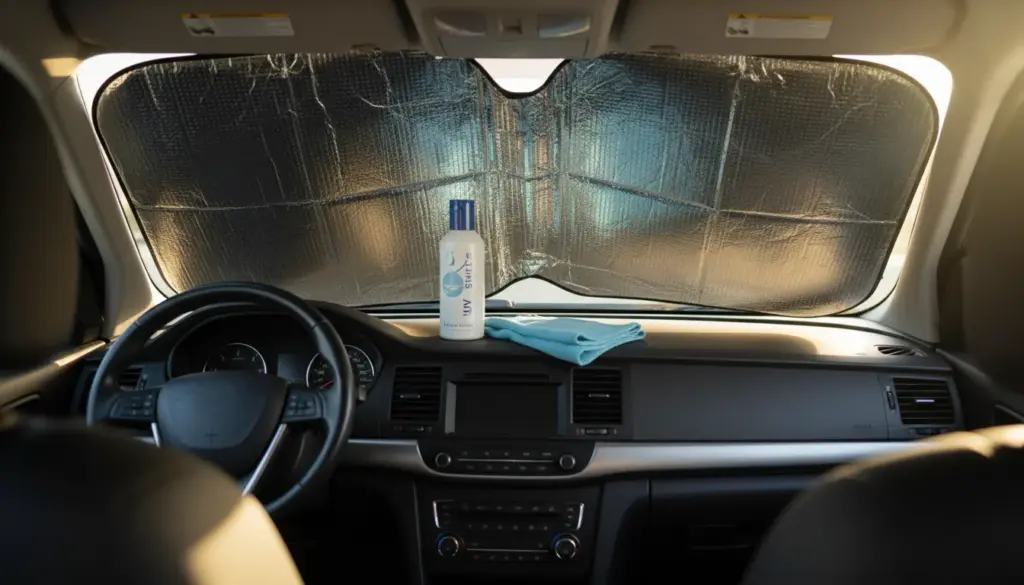
A car parked outside in the Gulf does not simply get dirty. It endures a slow sandblasting every afternoon when the shamal picks up, a chemical assault from ultraviolet light fierce enough to register eleven on the index, and surface temperatures that climb past eighty degrees Celsius on a August afternoon. The clear coat, that glossy transparent skin over the colour, absorbs the brunt of this punishment. Left unprotected, it oxidises into a chalky haze, and the fine desert dust that settles overnight becomes a grinding paste the moment anyone brushes against the bodywork. The damage is cumulative and often invisible until the shine is already gone.
The encouraging part is that most of the deterioration is preventable with a routine that fits into life at home. You need shade, the right washing sequence, a barrier product that suits your parking situation, and a cover that breathes. These four layers of defence, applied consistently, can keep a car looking showroom-fresh for years even when it lives under the Gulf sun. The following approach is built around the specific threats we face here: crystalline sand particles, mineral-loaded water that spots in seconds, and heat that bakes contaminants onto horizontal panels before you have finished your morning coffee.
Understanding the Three Forces That Age Your Paint
Ultraviolet radiation works at the molecular level, breaking down the polymers that give the clear coat its strength and transparency. Dubai and Doha sit at latitudes where the summer UV index routinely exceeds eleven, a level the World Health Organization classifies as extreme. This energy snaps chemical bonds, and within twelve to eighteen months of constant outdoor exposure, red and dark-coloured cars can show visible fading. The roof, bonnet and boot lid suffer first because they face the sky directly. A car that is never shaded ages from the top down, and the process accelerates once the clear coat loses its integrity.
High ambient temperatures compound the problem by accelerating chemical reactions. When surface temperatures climb past eighty degrees Celsius, the clear coat expands and softens slightly, which allows dust and contaminants to embed themselves more deeply. Bird droppings and road grime become especially dangerous in these conditions because the heat bakes them onto the paint, making them far more difficult to remove safely. Water from sprinklers or a quick rinse can also create visible water spots within minutes as the liquid evaporates and leaves mineral deposits behind on the hot surface.
Washing Without Inflicting More Damage
Timing and location matter as much as equipment. Wash early in the morning or in the evening when the bodywork is cool to the touch. Hot panels evaporate water and shampoo in seconds, leaving mineral streaks that are difficult to remove without polishing. Find a shaded spot with proper drainage, and check that your building or compound permits home washing. Some municipalities in the Gulf have regulations about washing vehicles in public spaces or letting soapy water run into storm drains, so confirm the current rules with your local authority before setting up. Avoid washing during windy conditions when airborne dust will settle on wet paint before you can dry it.
The Pre-Rinse Comes First, Always
Begin every wash with a thorough rinse from the top down using a hose or pressure washer. This step lifts the loose sand and dust that would otherwise be ground into the paint by the mitt. Work methodically: roof first, then windows, then the bonnet and boot, then the sides, and finally the lower panels and wheel arches where the heaviest grit accumulates. The lower third of the car, especially behind the wheels, carries the most abrasive material and should be washed last with a separate mitt or cloth to avoid cross-contamination. Never skip the pre-rinse, even if the car looks clean. The dust you cannot see is the dust that does the damage.
After the pre-rinse, use a pH-neutral car shampoo with a microfibre wash mitt and the two-bucket method. One bucket holds the soapy solution while the second contains plain water for rinsing the mitt. Grit guards placed at the bottom of both buckets trap sand and debris, keeping it away from the mitt when you reload it with shampoo. This simple system prevents the fine particles you just lifted from the paint from being reintroduced to the surface on the next pass. Wash one section at a time, rinsing the mitt frequently, and always move in straight lines rather than circles to minimise the risk of swirl marks.
Building a Protective Barrier at Home
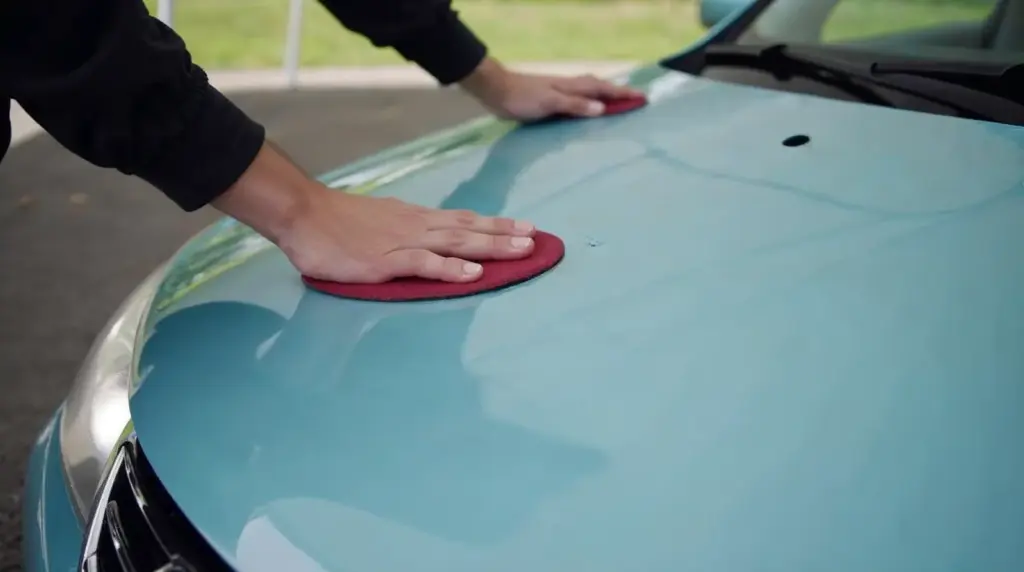
Ceramic coatings represent the most durable home-applied option, bonding to the clear coat at a chemical level to form a hard, hydrophobic layer that can last two years or more. Application requires meticulous preparation. The paint must be completely clean, decontaminated with a clay bar to remove embedded particles, and ideally polished to remove existing swirl marks before the coating is applied panel by panel. The process takes a full day for a first-timer, but the result is a surface that repels water, resists light scratches and shrugs off bird droppings that would otherwise etch into unprotected paint within hours under the Gulf sun.
What a Quality Car Cover Must Do
Look for a cover with the following characteristics before you buy. It should fit your vehicle properly and have a soft inner surface to avoid scratching the paint. A breathable design helps prevent moisture from becoming trapped against the bodywork. The cover should also resist UV exposure and stay secure in windy conditions. Avoid placing it on a heavily dusty vehicle, since sand trapped between the cover and paint can cause fine scratches.
- It must be sized for your specific vehicle model so that it fits snugly around the mirrors, bumpers and roofline without excessive fabric that can flap in the wind.
- The outer layer should be made from a UV-resistant material that reflects sunlight and reduces the temperature of the air trapped between the cover and the bodywork.
- A breathable membrane is essential to allow moisture vapour to escape while preventing liquid water from penetrating during the rare rain shower or morning dew.
- The inner surface must be a soft, non-woven fabric that will not abrade the clear coat when the cover is installed, removed or moved by the breeze.
- Reinforced grommets for a security cable and elasticated hems at the front and rear help the cover stay in place during the gusty conditions common in Gulf winters.
- Never install a cover on a dusty car. Even the softest inner lining will press abrasive particles into the paint if the surface is not clean before the cover goes on.
- A storage bag that doubles as a clean work surface makes it easier to fold and unfold the cover without dragging it across the ground and picking up sand.
Put the cover on only after washing and drying the car thoroughly. Roll it from the roof down to the bumpers rather than dragging it across panels. When removing it, fold it inwards so that any dust on the outer surface is trapped inside the folds and never touches the paint. Store the cover in its bag in a cool, dry place when not in use. A cover that is left crumpled on the garage floor will collect sand and transfer it to the car the next time it is installed.
Interior Protection That Supports Exterior Care
The car parked in your driveway or outside your building is under attack from the moment the sun rises, but the defences are straightforward and cumulative. Regular washing with a two-bucket method, a protective layer renewed on schedule, a cover that fits and breathes, and a sunshade in the windscreen add up to a shield that the Gulf climate cannot easily breach. The goal is not perfection. It is slowing the inevitable so that the car still looks cared-for when you walk up to it years from now, the clear coat still glossy, the colour still deep, the panels still free of the haze that signals neglect in a place where nature is relentless.