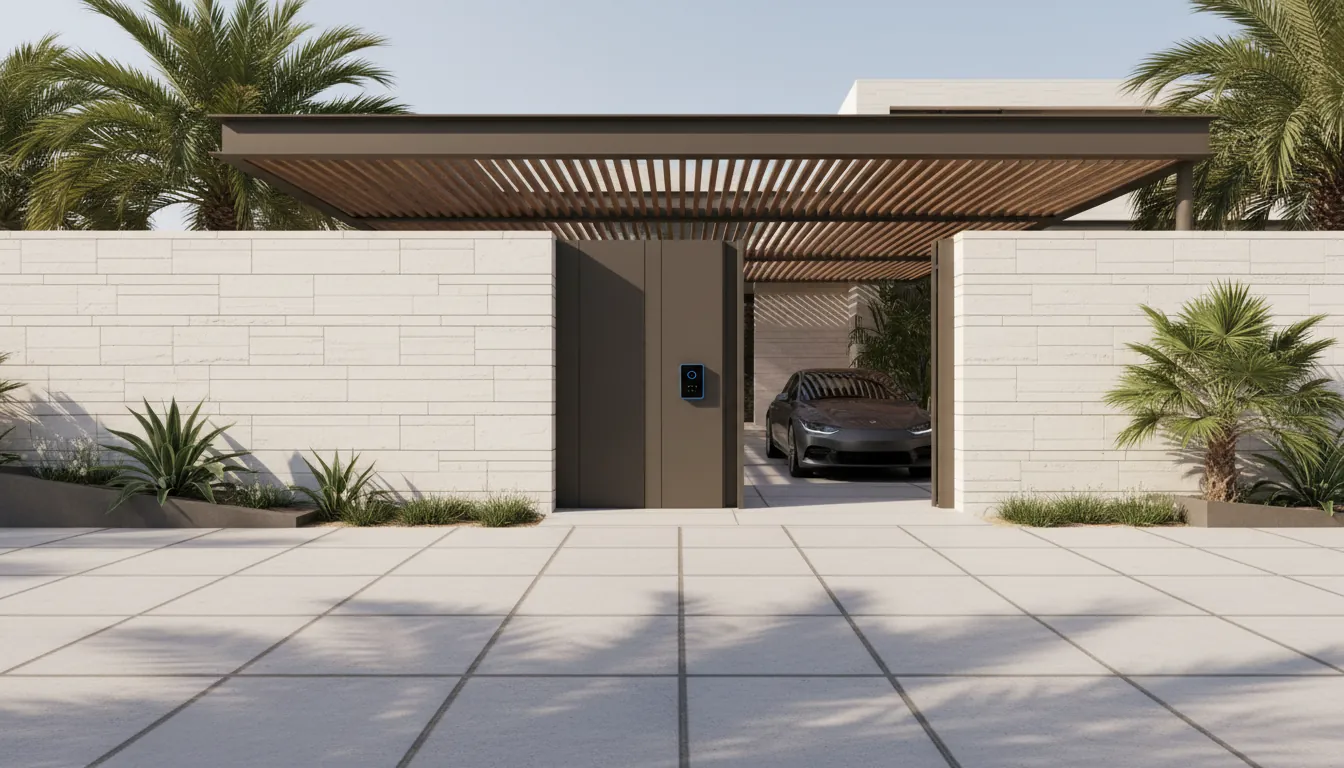
Smart home security begins long before a siren sounds. It starts with the quiet choices made while setting up a router, pairing a door sensor, or deciding where a camera should look across a shaded courtyard. In Qatar and the wider Gulf, where villas often sit behind boundary walls and family routines shift between travel, school runs and late summer evenings indoors, those choices carry real weight. The point is not to collect gadgets. The point is to build a system that works with the shape of the house and the habits of the people inside it.
A connected home offers genuine convenience. Lights can respond to movement, gates can open for a known car, and a camera feed can be checked from an airport lounge. But every connected device is also a small door into the wider network. Weak passwords, old firmware and poorly configured Wi-Fi are common entry points for intruders who never touch a physical lock. Understanding those basic risks is the first step toward protection that feels calm rather than complicated.
Start With the Network, Not the Camera
Most smart security failures begin with the network that carries the signals. A strong Wi-Fi password is not enough if the router still uses default settings or old encryption. Use a unique password for the home network and enable WPA3 encryption where the hardware allows it. Change the router’s default administrator credentials and disable remote management unless there is a specific reason to keep it switched on.
Firmware updates matter more than they seem. Manufacturers release patches to close known weaknesses, and a router or camera that runs outdated software becomes an easy target. Schedule regular checks for updates across the router, cameras, sensors and the control panel. This small routine prevents many of the most common vulnerabilities from ever becoming a problem.
Accounts, Passwords and Multi-Factor Authentication
Every device account deserves a password that is long, unique and stored safely. Reusing a password across a camera app and a social media account invites trouble. Wherever a smart security platform offers multi-factor authentication, switch it on. That extra step, usually a code sent to a phone or generated by an app, makes unauthorised access far less likely.
In a household with several adults, shared access should be managed carefully. Create separate user accounts rather than handing out one master login. This keeps a record of who armed the system or unlocked a door, and it allows access to be removed cleanly when a driver, cleaner or visiting relative no longer needs it. Good account hygiene is a security feature in itself.
Choosing Components for a Gulf Home
Equipment should follow the layout of the property. A villa with multiple entrances, a shaded garden and a perimeter wall needs a different plan than an apartment or a townhouse. Start by listing the doors, ground-floor windows, service entrances and outdoor areas that deserve attention. Then choose sensors and cameras that cover those points without creating daily friction.
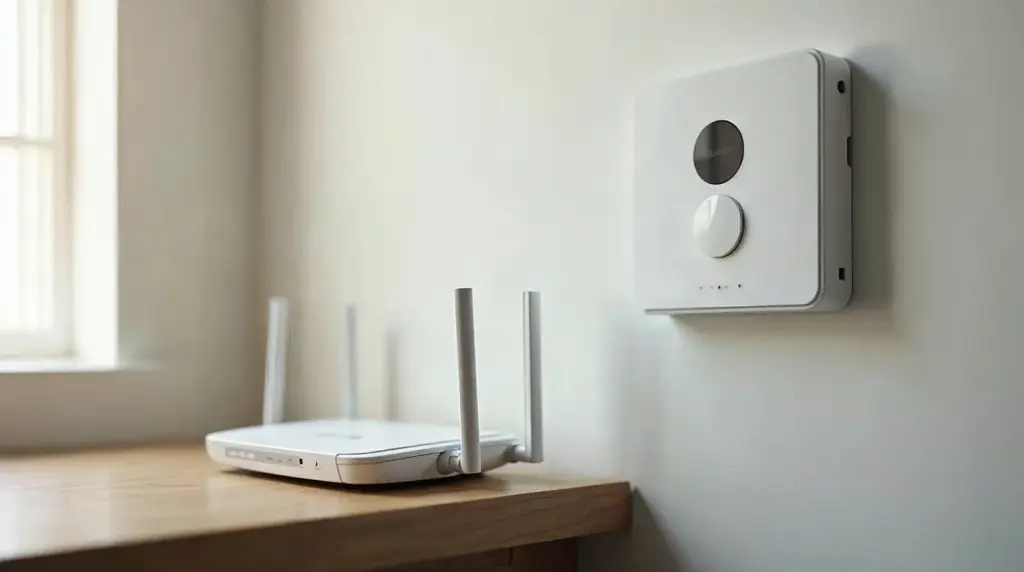
Smart cameras work best when they see useful angles, not just wide views. Position them to catch movement along gates, driveways and the spaces between boundary walls and the main door. Door and window sensors should sit where they can report an opening without false alarms from wind or heat. Motion detectors need placement away from direct sun and air-conditioning vents, which can confuse cheaper sensors in the Gulf climate.
Smart Locks, Gates and Boundary Thinking
Smart locks offer remote locking and unlocking, access schedules and temporary codes for visitors. On a villa gate, this can be more practical than a camera alone. A code given to a delivery driver can be set to expire after a short time. A schedule can keep a service entrance locked during the night. These features turn access control into something the house manages quietly in the background.
Boundary walls remain a first line of defence across the region. Smart security should respect that physical layer rather than replace it. Cameras and sensors near the wall can alert the household to movement before anyone reaches the door. Outdoor lighting triggered by a sensor can make an approach less appealing. The strongest setups combine old physical boundaries with new connected awareness.
Monitoring, Alerts and Everyday Use
A loud siren is useful, but a response plan is better. Professional monitoring means trained operators receive the alarm and can contact the household or emergency responders when appropriate. This helps when the family is away, asleep or unable to reach a phone. Self-monitoring may suit someone who wants basic alerts and is always available to act.
The value of monitoring lies in consistency. A system that is armed every night and disarmed every morning becomes a habit. A system that sends too many false alerts gets ignored or switched off. Choose alert settings that match real life. A camera notification for the front door is helpful. A motion alert for every passing cat near the boundary wall is not.
Features That Earn Their Place
Some smart security features add more daily value than others. The following list covers the ones most likely to suit a Gulf household without turning the home into a control room. These features focus on practical protection and ease of use rather than complex automation. They help you monitor entry points, control access, and respond quickly to unexpected activity. This approach keeps your connected home secure while remaining simple to manage every day.
- Professional 24/7 monitoring offers a real response when an alarm triggers and no one at home can act.
- Mobile arming and disarming lets you secure the house from the car, the office or another country.
- Temporary access codes for smart locks allow cleaners, drivers or guests to enter only during set hours.
- Camera feeds with live view and recorded clips help confirm a package delivery or check a gate after a sound.
- Door and window sensors report openings instantly and can trigger lights or cameras in response.
- Automation scenes can switch on outdoor lighting when a boundary sensor detects movement after dark.
- Scheduled arming keeps the system active at night even when everyone forgets to press a button.
- Separate user accounts show who accessed the system and allow permissions to be removed quickly.
These features work best when they reduce friction rather than add to it. A family that finds the system easy will use it every day, and that consistent use is what keeps the home protected. A family that finds it annoying will eventually leave it off, often after a few frustrating experiences. An off system protects nothing, leaving every connected device and entry point exposed.
Cost, Insurance and Crime Deterrence
Prices in the security industry vary widely, and there is an option for almost any budget. Equipment costs, monitoring fees and installation charges should be compared as a whole rather than device by device. Some systems require professional installation, which helps with sensor placement and camera angles. Others are designed for straightforward self-installation and suit renters or smaller homes.
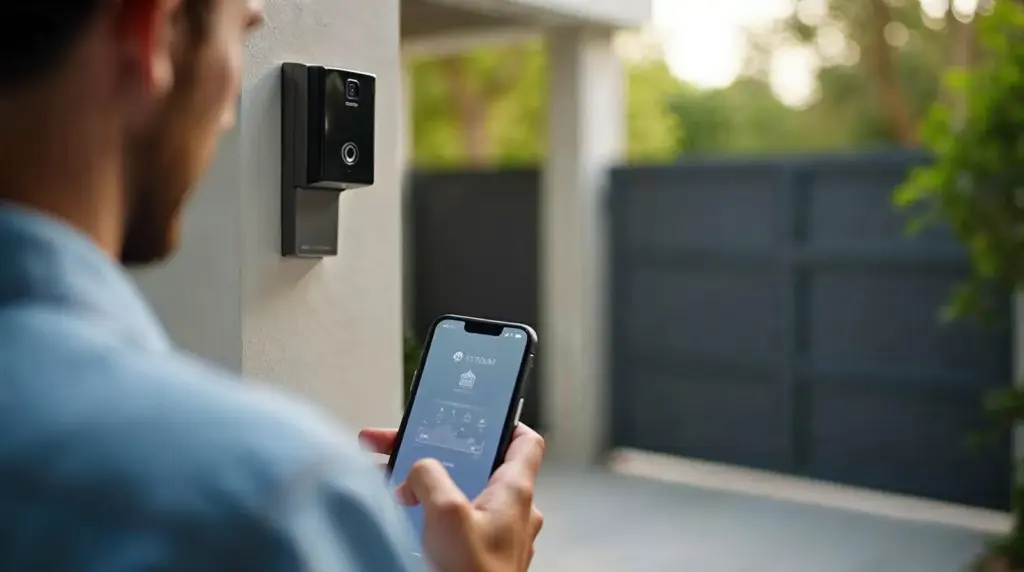
Visible cameras and alarm systems are consistently shown to deter crime. Homes without security systems are considerably more likely to be targeted than those with them. Even a simple visible camera near the main gate can make a potential intruder think twice. A whole system, with sensors and monitoring, improves that effect further without needing to be the most expensive option available.
Homeowners should review their existing insurance policy before choosing equipment. Many insurers reduce premiums when a professionally monitored security system is installed, and the reduction can be significant. A quick call to the insurer to ask which systems qualify can shorten the list of options and make the final choice clearer. The discount is a useful side benefit, not the main reason to protect a home.
Living With the System Over Time
A smart security system is not a one-time purchase. It is a set of habits, updates and small adjustments that keep the house protected as routines change. Cameras may need repositioning after new landscaping grows. Access codes should be reviewed when staff or visitors change. Firmware updates need a regular slot in the calendar, just like servicing an air-conditioning unit before summer.
The goal is a home that feels secure without feeling surveilled. In the Gulf climate, where houses are built for shade, privacy and family life, security should fit that same character. Choose equipment that respects the architecture, place sensors where they will not shout for attention, and keep controls simple enough that everyone in the house can use them. A well-chosen system becomes part of the background, working quietly until the moment it is needed.